
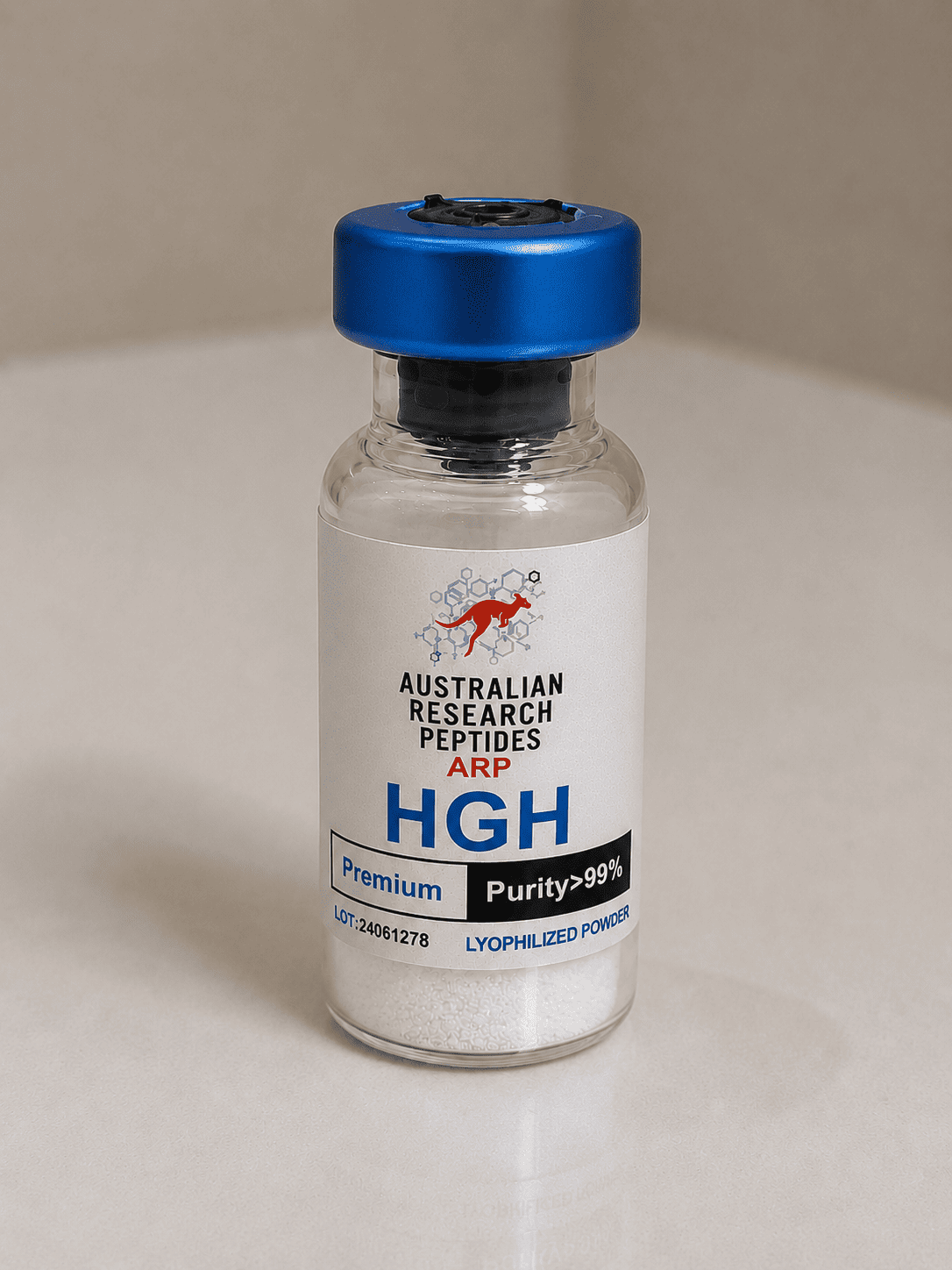
Buy Human Growth Hormone – Premium Research Overview & Product Specifications
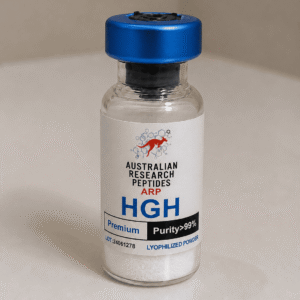
Discover premium-quality Human Growth Hormone research products designed for those seeking trusted sourcing, high standards, and dependable research specifications. Interest in Human Growth Hormone research continues to grow among peptide and hormone research communities exploring advanced biological and performance-related pathways. When searching for premium Human Growth Hormone options, quality, consistency, and transparent product specifications matter. Our carefully selected research compounds are sourced with a focus on purity, reliability, and research integrity, making it easier for researchers to explore trusted solutions. Browse detailed Human Growth Hormone specifications, product information, and premium research options backed by a commitment to quality and dependable service.
Biochemical Foundations of Human Growth Hormone Secretagogues
The term human growth hormone peptide encompasses a broad family of synthetic and natural chains of amino acids that influence the production, secretion, or receptor-binding kinetics of endogenous Human Growth Hormone (HGH). Unlike intact, 191-amino-acid recombinant HGH, shorter chain analogues and secretagogues offer a more refined mechanism of action, often acting directly via the growth hormone secretagogue receptor (GHSR) or the growth hormone-releasing hormone receptor (GHRHR).
These molecular variations are highly valued in comparative biology. They allow laboratory technicians to isolate specific cellular responses—such as somatotroph proliferation or lipolytic signaling—without triggering the broad systemic feedback loops typical of full-length hormone administration. For institutions authorized to buy human growth hormones for biochemical assays, understanding these structural variations ensures the correct selection of compounds for specific experimental endpoints.
Comparative Synergy: Expanding the Regenerative Research Matrix
In advanced cellular research, growth factors are rarely studied in absolute isolation. To map complete physiological pathways, investigators frequently run parallel or combination studies utilizing alternative peptide sequences that target distinct but overlapping mechanisms of tissue repair and cellular defense.
Integrating Aesthetics and Radiance: The Glow Peptide Complex
While a human growth hormone peptide serves as the primary engine for cellular replication and structural protein synthesis, researchers often examine collateral pathways involved in extracellular matrix preservation. For example, integrating studies with a Glow peptide allows for the simultaneous assessment of collagen cross-linking and dermal fibroblast vitality. While growth hormone pathways establish the baseline cellular turnover, specialized aesthetic research peptides optimize the synthesis of glycosaminoglycans, offering a multi-faceted view of cellular rejuvenation and structural integrity.
Addressing Neurovascular Pathways: The ARA290 Domain
In instances where research involves tissue injury, metabolic stress, or neuropathic cellular environments, the growth hormone pathway can be paired with erythropoietin-derived tissue-protective compounds. Implementing the ARA290 peptide into a comparative matrix gives researchers an excellent window into microvascular protection and inflammation dampening. While those who buy human growth hormones are often focused on anabolic signaling and cellular proliferation, introducing ARA290 allows for the observation of cytoprotection and pain-pathway modulation under inflammatory stress, bridging the gap between tissue growth and neural survival mechanics.
Mechanism of Action and Cellular Signaling Pathways
The operational framework of a human growth hormone peptide is primarily dictated by its binding affinity to specific receptors within the anterior pituitary and the hypothalamus. Synthetic secretagogues mimic the action of the endogenous ligand ghrelin, binding to the growth hormone secretagogue receptor (GHSR-1a). This binding sets off a cascade of intracellular events:
Activation of Phospholipase C (PLC): Triggered by the G-protein coupled receptor activation.
Intracellular Calcium Release: PLC generates inositol trisphosphate ($IP_3$), which prompts the release of calcium ions from the endoplasmic reticulum.
Pulsatile Secretion: The surge in intracellular calcium drives the exocytosis of pre-stored growth hormone from somatotroph cells into the experimental matrix.
By mimicking natural pulsatile releases rather than establishing a continuous static elevation, these peptides provide a more accurate simulation of biological homeostatic rhythms. This precise control is a primary reason why laboratory departments choose to buy human growth hormones in their peptide configurations rather than generic macromolecular variants.
Quality Control Indicators for Research Peptides
When selecting a compound for rigorous scientific validation, specific chemical benchmarks must be strictly enforced. Impurities within an assay can lead to distorted data, making internal quality assurance protocols absolute priorities.
| Specification Requirement | Standard Benchmark | Verification Method |
| Chemical Purity Level | 99.00% | High-Performance Liquid Chromatography (HPLC) |
| Molecular Mass Identification | Matches Theoretical Profile | Mass Spectrometry (MS) Analysis |
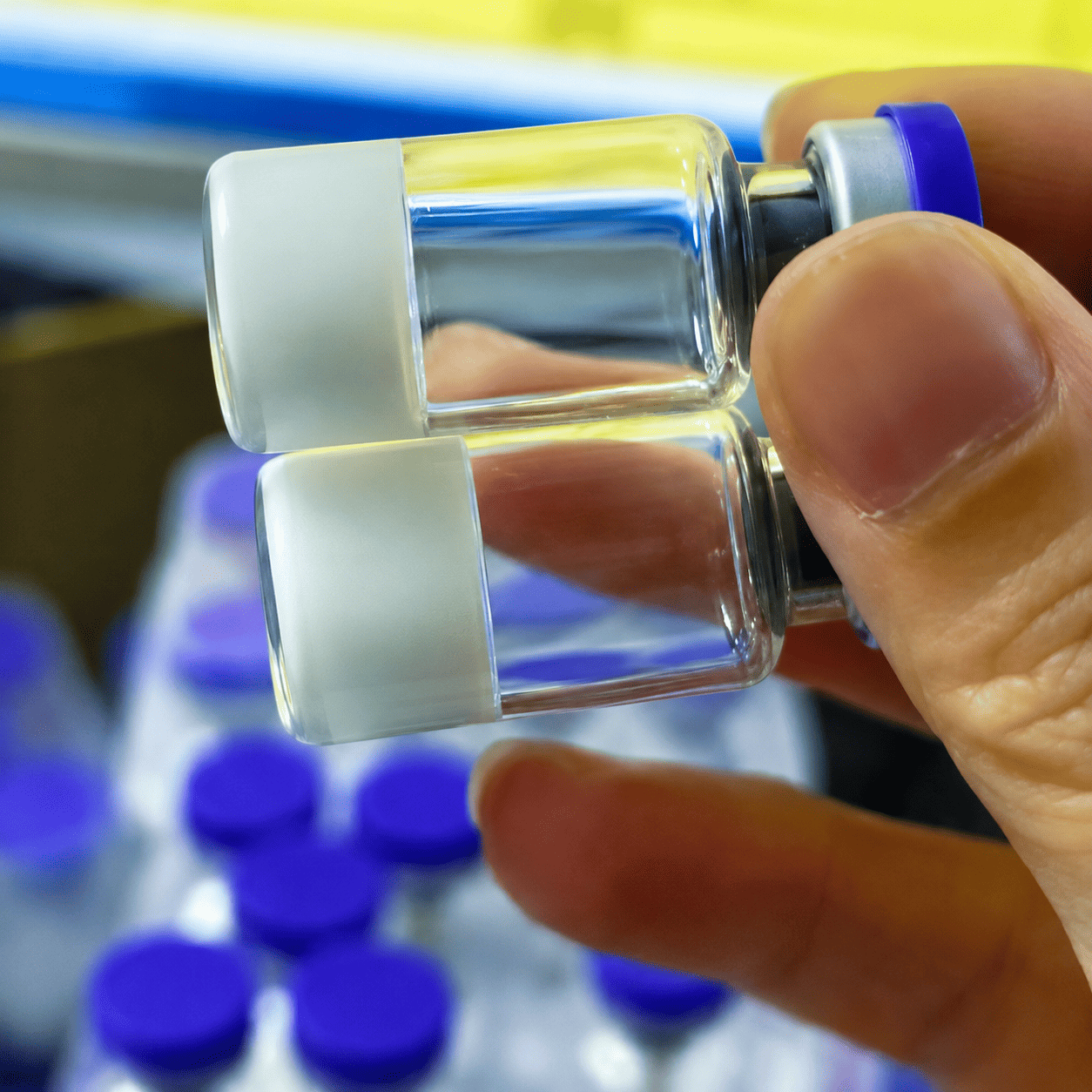
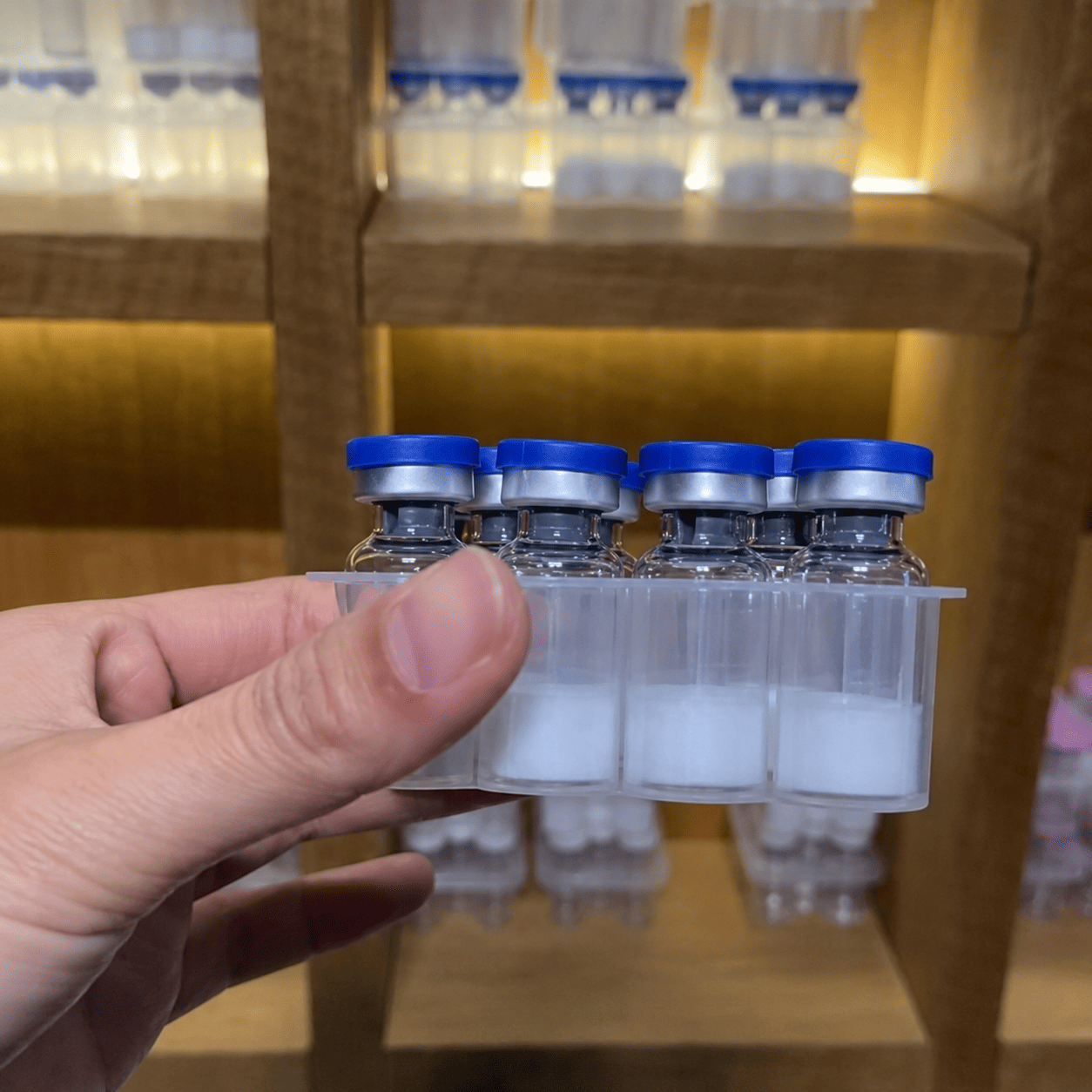
| Physical Appearance | Lyophilized White Powder | Visual and Solubility Testing |
| Containment Vessel | Medical-Grade Borosilicate Glass | Sterile Vacuum Sealed Vials |
Maintaining these strict metrics prevents cross-contamination and minimizes baseline standard deviation across multiple test batches. Researchers aiming to buy human growth hormones must consistently verify that their chosen provider attaches verifiable analytical documentation (COA) to every batch code.
Optimizing Storage and Reconstitution Protocols
To preserve the delicate peptide bonds within a human growth hormone peptide sample, precise handling protocols are required. Exposure to mechanical agitation, light, or sudden temperature fluctuations can alter the tertiary structure of the amino acid chain, rendering it ineffective for quantitative analysis.
Lyophilized Storage Parameters
In its original freeze-dried state, the product exhibits excellent structural resilience. For short-term preservation (ranging from weeks to months), maintaining a temperature of -20°C is standard practice. For extended multi-year preservation archives, storage at -80°C is recommended to halt any potential peptide degradation or ambient moisture interactions.
Reconstitution Dynamics
Reconstitution should be executed using an appropriate sterile bacteriostatic solvent. The fluid must be introduced gently down the inner glass wall of the medical-grade borosilicate vial to minimize foaming. Aggressive shaking must be completely avoided; instead, a slow, axial swiveling motion should be utilized until the white cake transforms into a perfectly transparent, particulate-free liquid matrix. Once fully dissolved, the solution must be kept under constant refrigeration at 2°C to 8°C and utilized within the designated degradation window.
Strategic Procurement: Sourcing Analytical Compounds
For modern laboratories operating under tight data compliance and peer-review mandates, procurement is a critical step. The decision to buy human growth hormones online or via commercial contract facilities involves vetting the synthesis pipeline from start to finish. Ensure that the vendor specializes explicitly in premium-grade research compounds, utilizing automated solid-phase peptide synthesis (SPPS) techniques.
By establishing a reliable pipeline for your growth growth peptides supplies alongside related items like healing and recovery peptides, your scientific institution can ensure reproducible results, minimal baseline variations, and peer-reviewed validity across all structural research programs.

Reviews
There are no reviews yet.